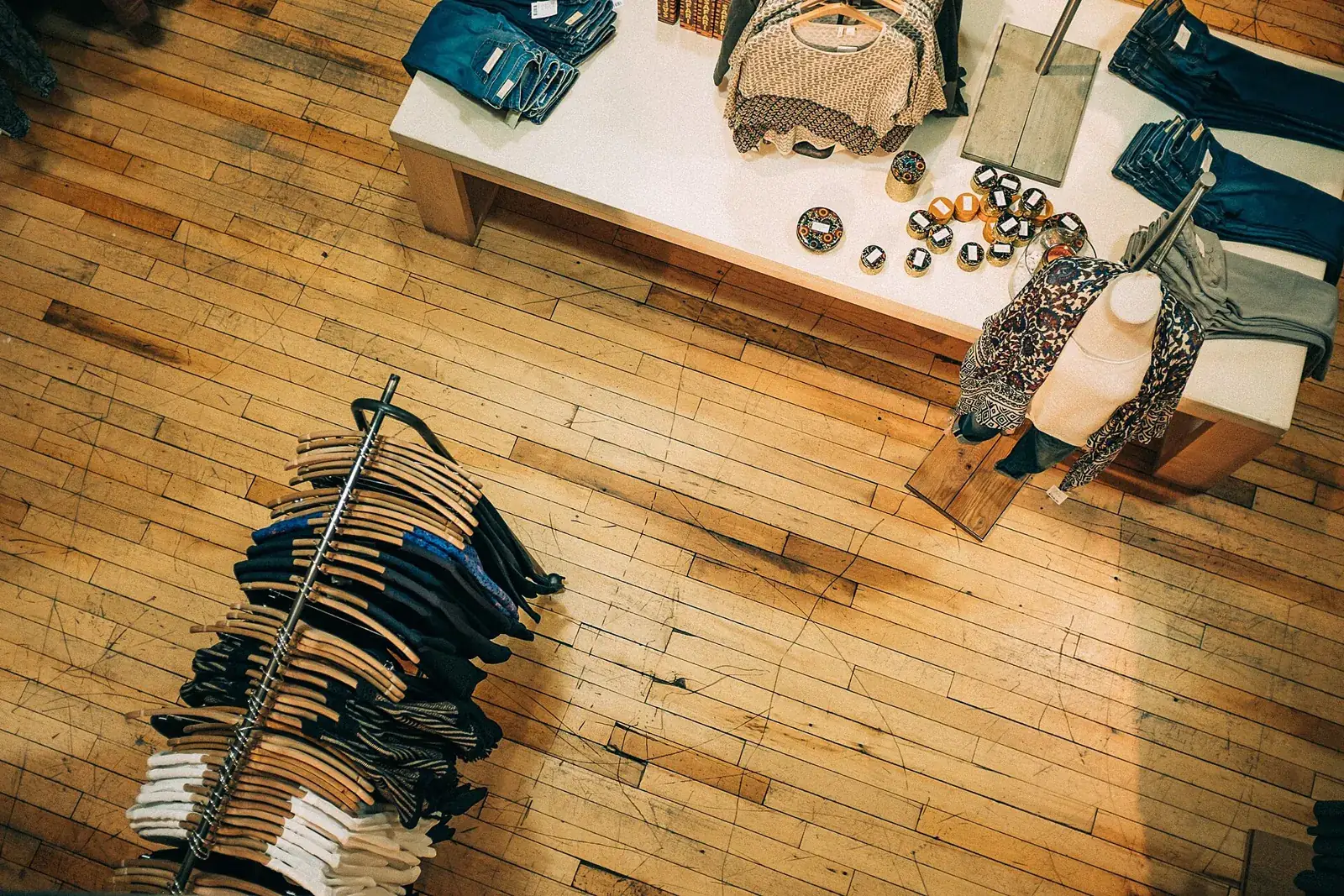
Sustainable fashion, issue after issue
Wear it longer. Mend it better. Buy it twice as rarely.
Second Seam is an independent magazine about the clothes we already own and the ones we choose next: how to shop less, care for and repair what lasts, read materials and claims, and stand with the people who make fashion.
Photo: Ashim D'Silva (Unsplash), via Wikimedia Commons, CC0.
In this issue
- Break up with your dry cleanerPerc, wet cleaning and washing "dry clean only" at home.
- What is upcycled fashion?Deadstock, offcuts and the craft of remaking.
- How to shop lessA method, not a vow of abstinence.
- Sustainable swimwearRecycled nylon, durable fit and the care routine.
- Ethical modeling agenciesDebt, late pay, digital replicas and new laws.
- A white savior complex?Power and representation in ethical fashion.
- Ethical jewelryMercury, conflict minerals and recycled gold.
- The Women SeriesThe work that keeps clothes in use.
How to break up with your dry cleaner
Dry cleaning is not dry, and its most common solvent is being phased out. What perchloroethylene is, how professional wet cleaning and liquid CO2 compare, and how to wash wool, silk, cashmere and viscose safely at home.
Read the guide01 · Wardrobe
Buy less, wear more
Buying less and better, second-hand and vintage, and getting more wear from the clothes you already own.
All wardrobe guides Wardrobe
How to shop less
Audit, find the real gaps, slow the impulse, and buy fewer, better pieces.
 Wardrobe
Your messy closet is costing you money
Duplicates, damage and forgotten pieces: how to edit and organise a closet you wear.
 Wardrobe
Sustainable shopping for maximalists
Colour, pattern and drama, sourced second-hand, rented, swapped and styled to last.
 Wardrobe
Sustainable in the city
Markets, swaps, repair cafés, tailors and cobblers: the city as a circular wardrobe.
 Wardrobe
The story behind a bag
Upcycled, deadstock or second-hand: how to judge, repair and resell bags and accessories.
 Wardrobe
Better fashion habits
Wash cooler, dry flat, store well, mend early: twelve routines that add years.
02 · Care & repair
Make it last
Washing, stain removal, alternatives to solvent dry cleaning, mending and upcycling: the skills that make clothes last.
All care guides Care & repair
The art of stain removal
Protein, tannin, grease, dye: identify the stain family, then treat it the right way.
 Care & repair
What is upcycled fashion?
Upcycling versus recycling, deadstock and offcuts, techniques, and projects to try.
Care & repairBreak up with your dry cleaner
Why perc is being phased out, what wet cleaning is, and how to wash 'dry clean only' at home.
 Care & repair
Furnishing a rental the circular way
Second-hand furniture, repairs, curtains and linens, and a move-out plan that keeps your deposit.
03 · Materials & footprint
What clothes cost the planet
What clothes are made of, what making them costs in water, carbon and waste, and what better materials really mean.
All materials guides Materials & footprint
What is sustainable fashion?
The problems it tries to fix, the circular idea behind it, and where your own wardrobe fits in.
 Materials & footprint
How fashion wastes water
Thirsty crops, polluting dye houses, microfibres in the wash, and what actually helps.
 Materials & footprint
Ethical and sustainable jewelry
Mercury, conflict minerals, recycled gold, lab-grown stones and the questions to ask.
 Materials & footprint
Sustainable swimwear: a buyer's guide
Recycled fibres, durable fit, and the care routine that doubles a swimsuit's life.
 Materials & footprint
The swimwear revolution
From ghost nets to recycled nylon: what has changed, and what still has to.
 Materials & footprint
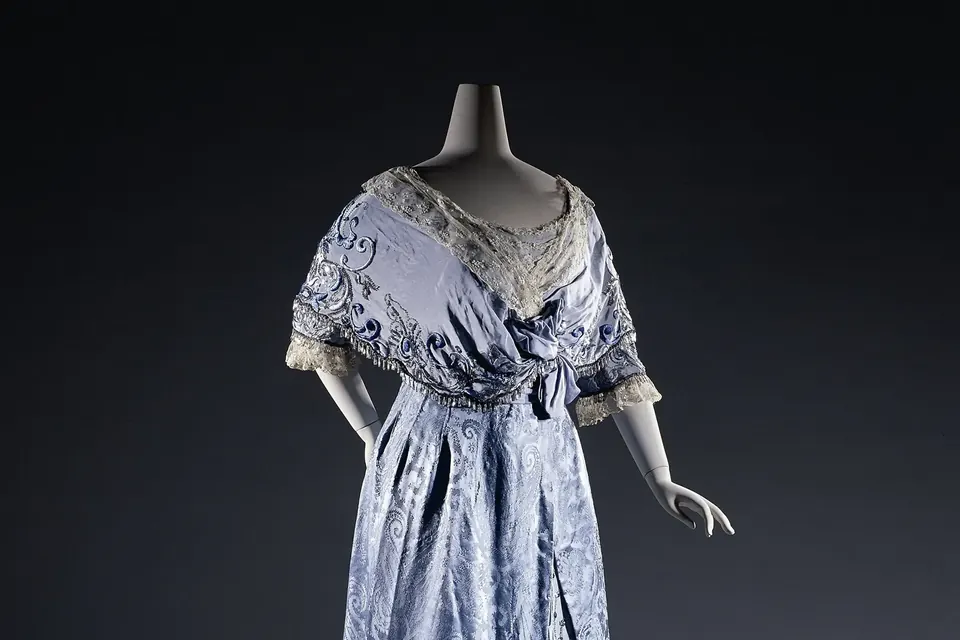
A sustainable gown for the red carpet
Archive pieces, deadstock silk, careful embellishment and a planned afterlife.
The Women Series
The hands that keep clothes in use
Around 80% of the world's garment workers are women, and so are many of the people who alter, mend, resell and remake clothes. The series profiles their kinds of work: what each job involves, and how to support it.
Read the series- 01The tailorFit is why clothes get worn.
- 02The menderDarning, reweaving, patching.
- 03The resale entrepreneurKeeping garments at their highest value.
- 04The natural dyerColour with care.
- 05The textile sorterWhere a second life is decided.
- 06The organiserWorkers' rights, won collectively.
04 · People & power
Who makes fashion, and who decides
Garment workers' and models' rights, representation in the ethical-fashion movement, and the rules changing the industry.
All people & power guides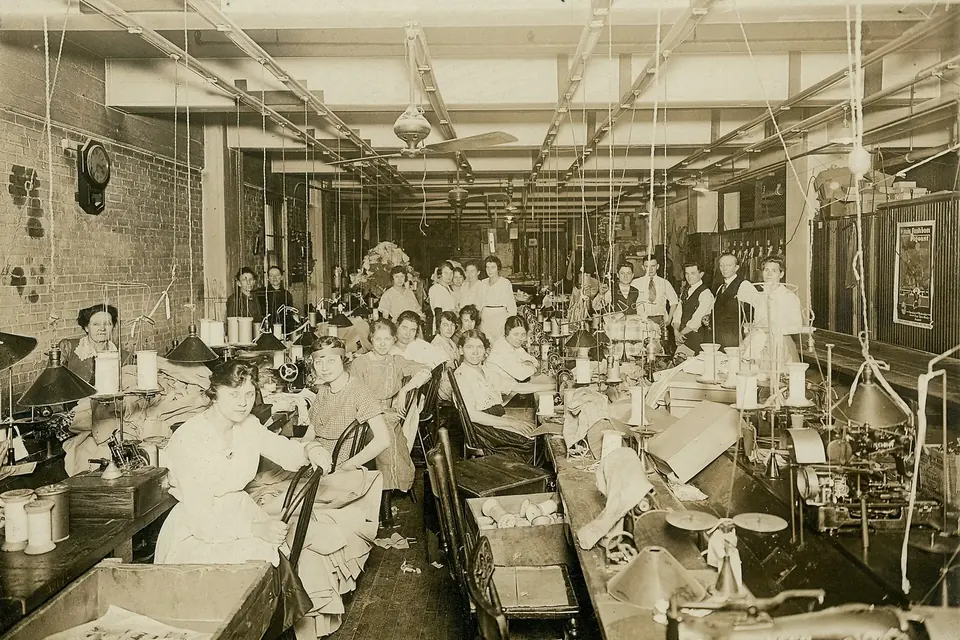 People & power
Fighting for garment workers' rights
Rana Plaza, the Accord, SB 62 and due diligence: why clothes are a labour issue.
 People & power
Does ethical fashion have a white savior complex?
Who speaks, who decides and who benefits: an essay on power in ethical fashion.
 People & power
What is an ethical modeling agency?
Debt, late pay, harassment and digital replicas: models' rights and what good agencies do.
 People & power
Does sustainable fashion need a reboot?
A decade of 'eco' collections has not shrunk the footprint. What would?
 People & power
Fashion weeks: what to watch for
Runway sustainability beyond the press release: materials, sets, models and standards.
 People & power
The Women Series
Tailor, mender, dyer, sorter, organiser: profiles of the work behind circular fashion.
How Second Seam works
Sourced, independent, nothing for sale.
No advertising, no affiliate links, no paid recommendations. Figures, laws and dates are checked against primary sources such as the Ellen MacArthur Foundation, UN agencies, the European Commission, the ILO and the US EPA, and linked at the end of every guide. We do not publish interviews or quotes from public figures: the guides are explainers, signed by the magazine.